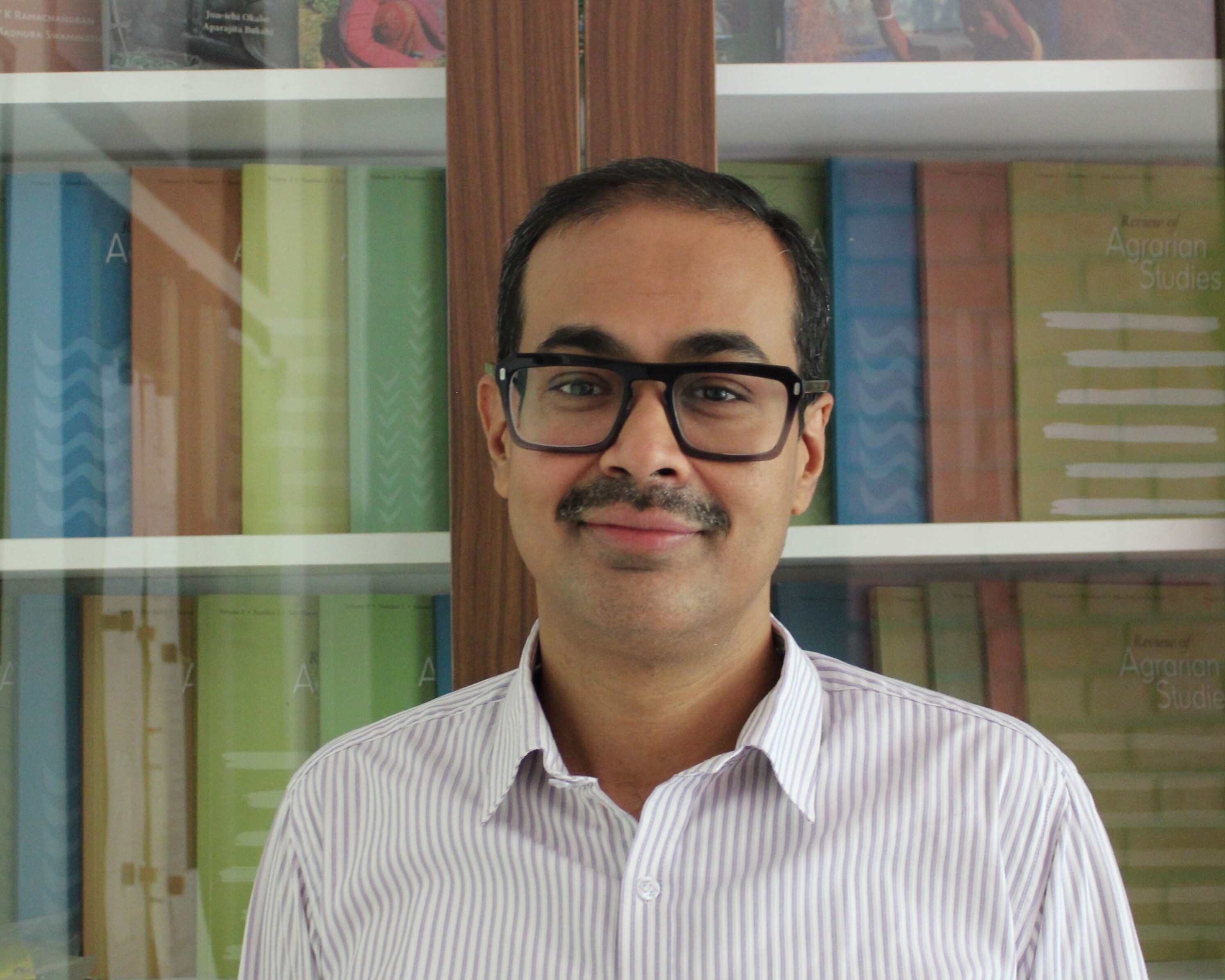
“Counting women farmers and workers is the essential first step towards recognising their work, and securing their rights and ensuring remuneration commensurate with their labour.”
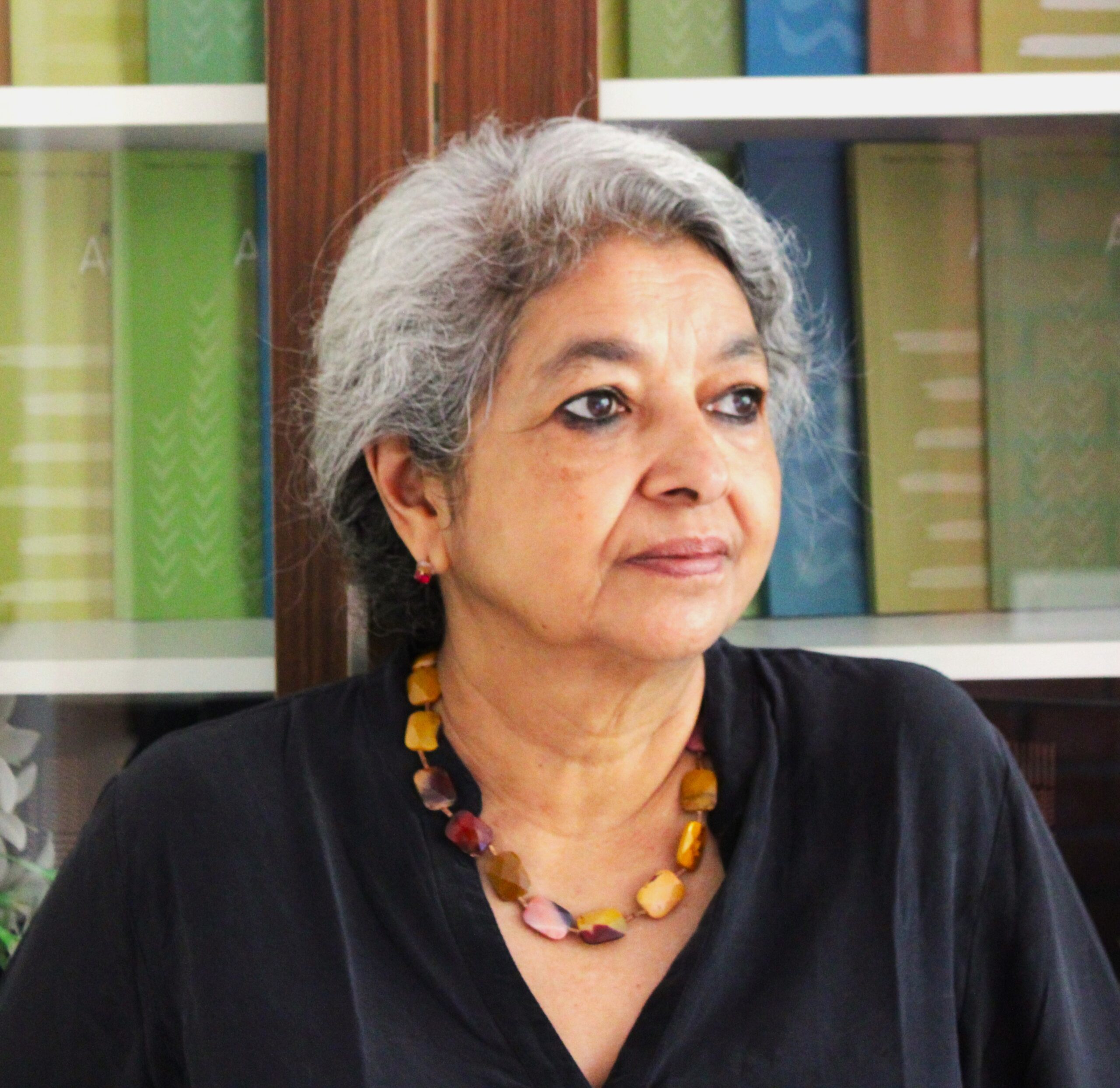
– Madhura Swaminathan
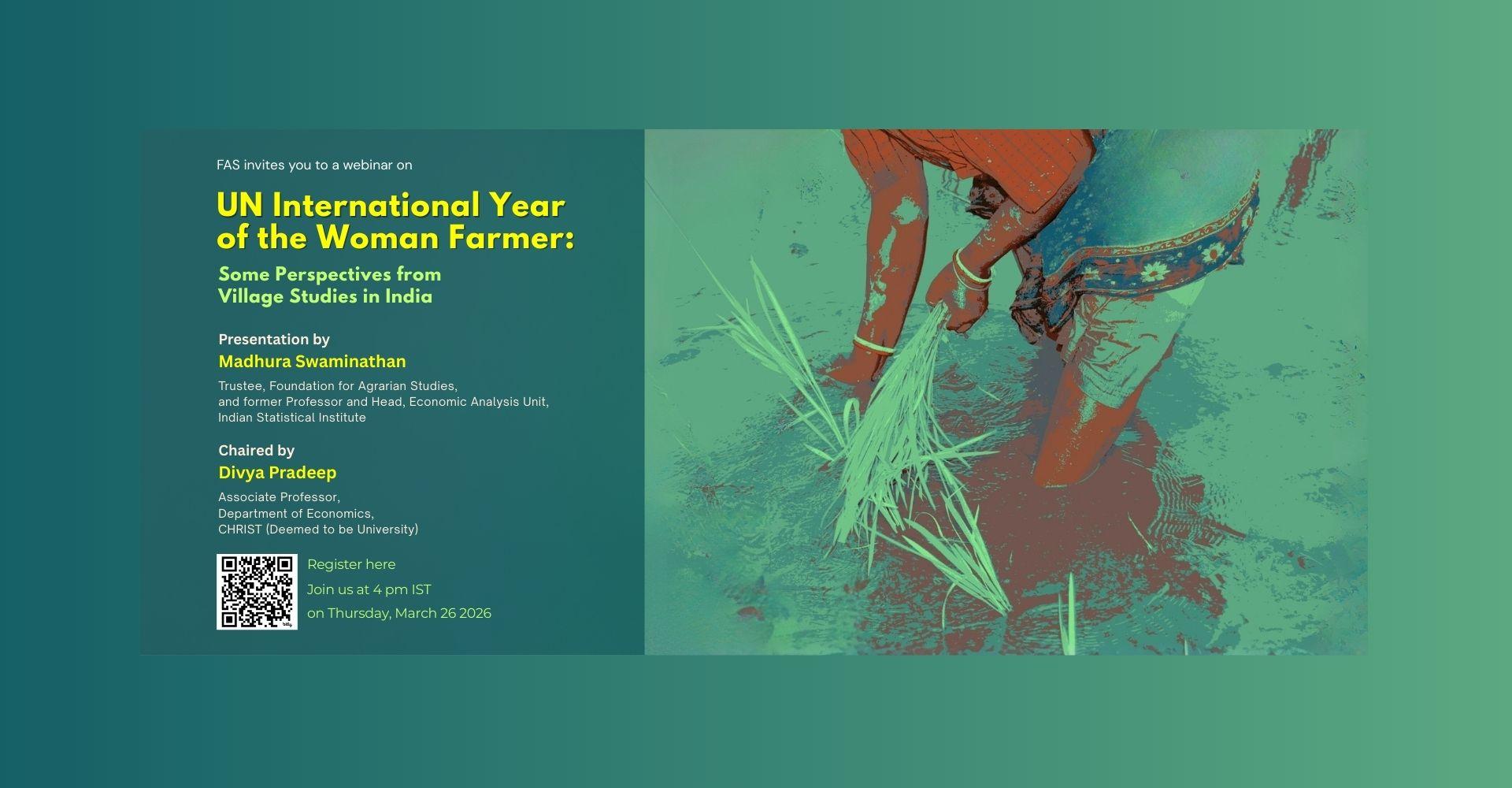
On Thursday, March 26, 2026, the Foundation for Agrarian Studies (FAS), Bengaluru, organised a webinar titled “UN International Year of the Woman Farmer: Some Perspectives from Village Studies in India.”
The United Nations has declared 2026 as the International Year of the Woman Farmer to highlight the crucial yet often unrecognised role women play across agrifood systems, and to bring awareness to bridge the gender gap and boost women’s livelihoods globally. FAS has been running a social media campaign to underline women’s contributions in sustaining rural economies in India. The webinar marked a culmination of this campaign.
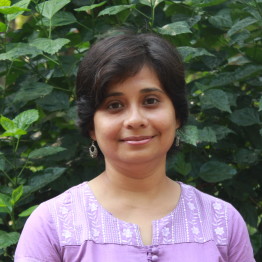
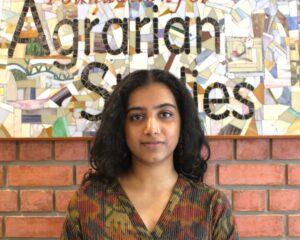
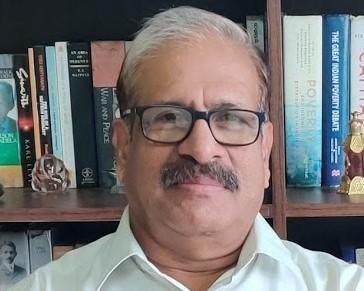
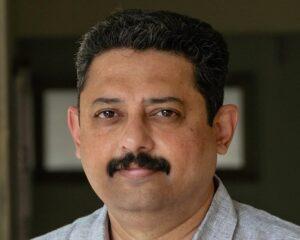
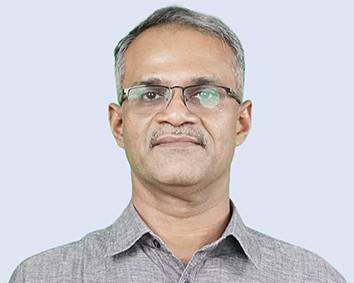
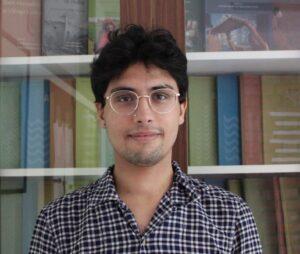
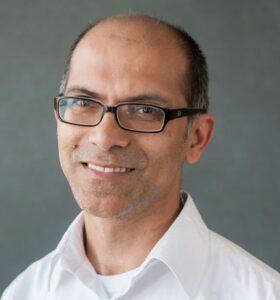
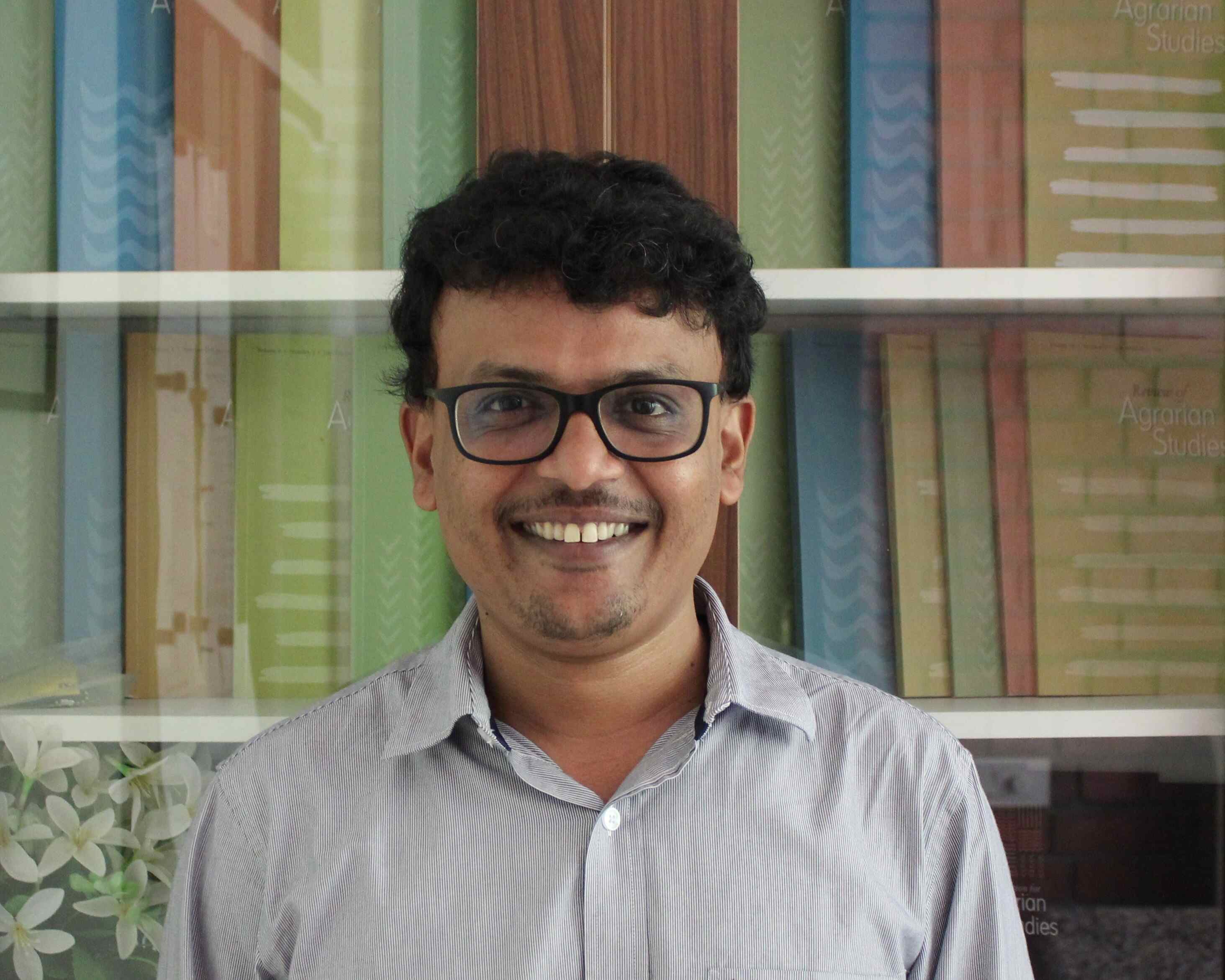
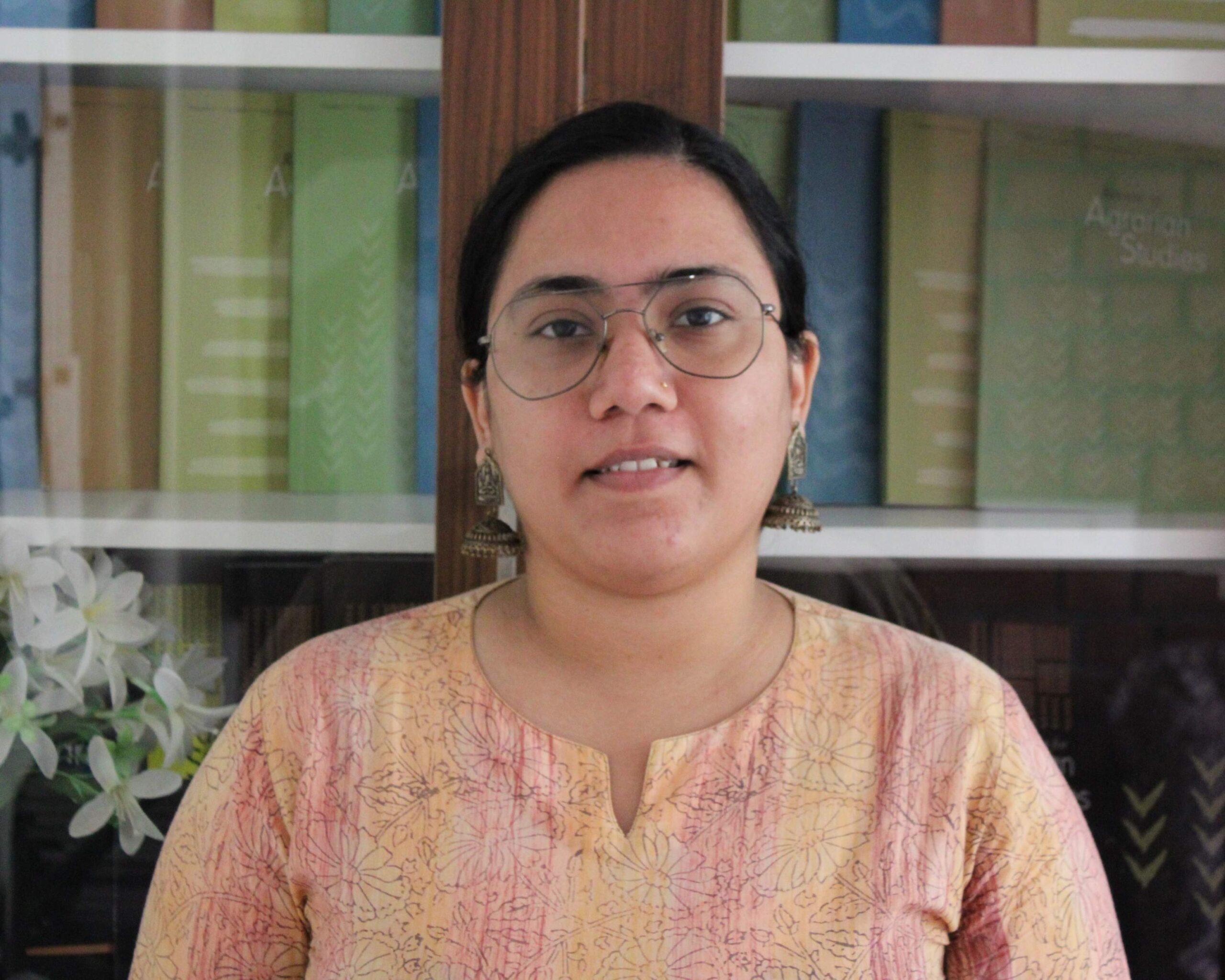
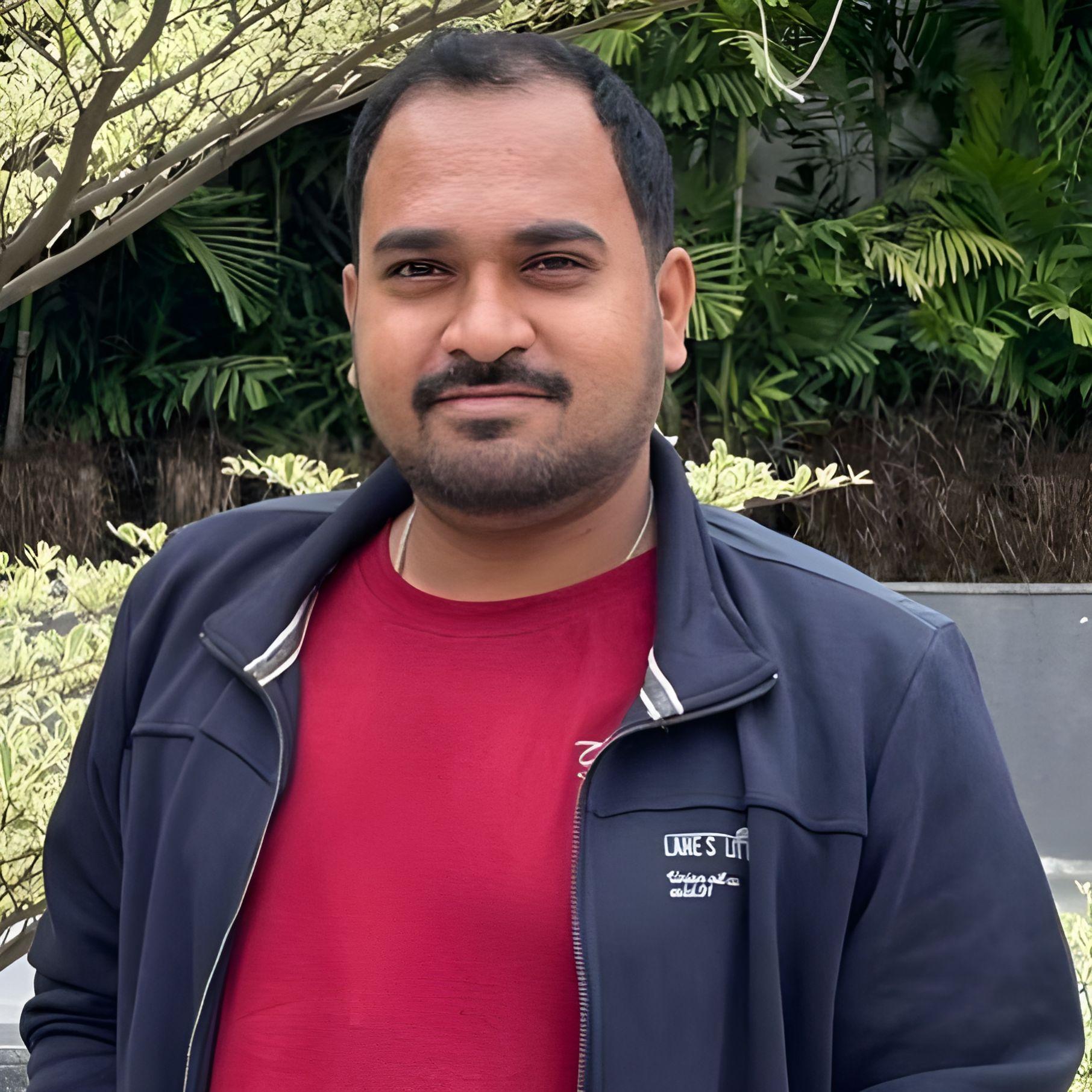
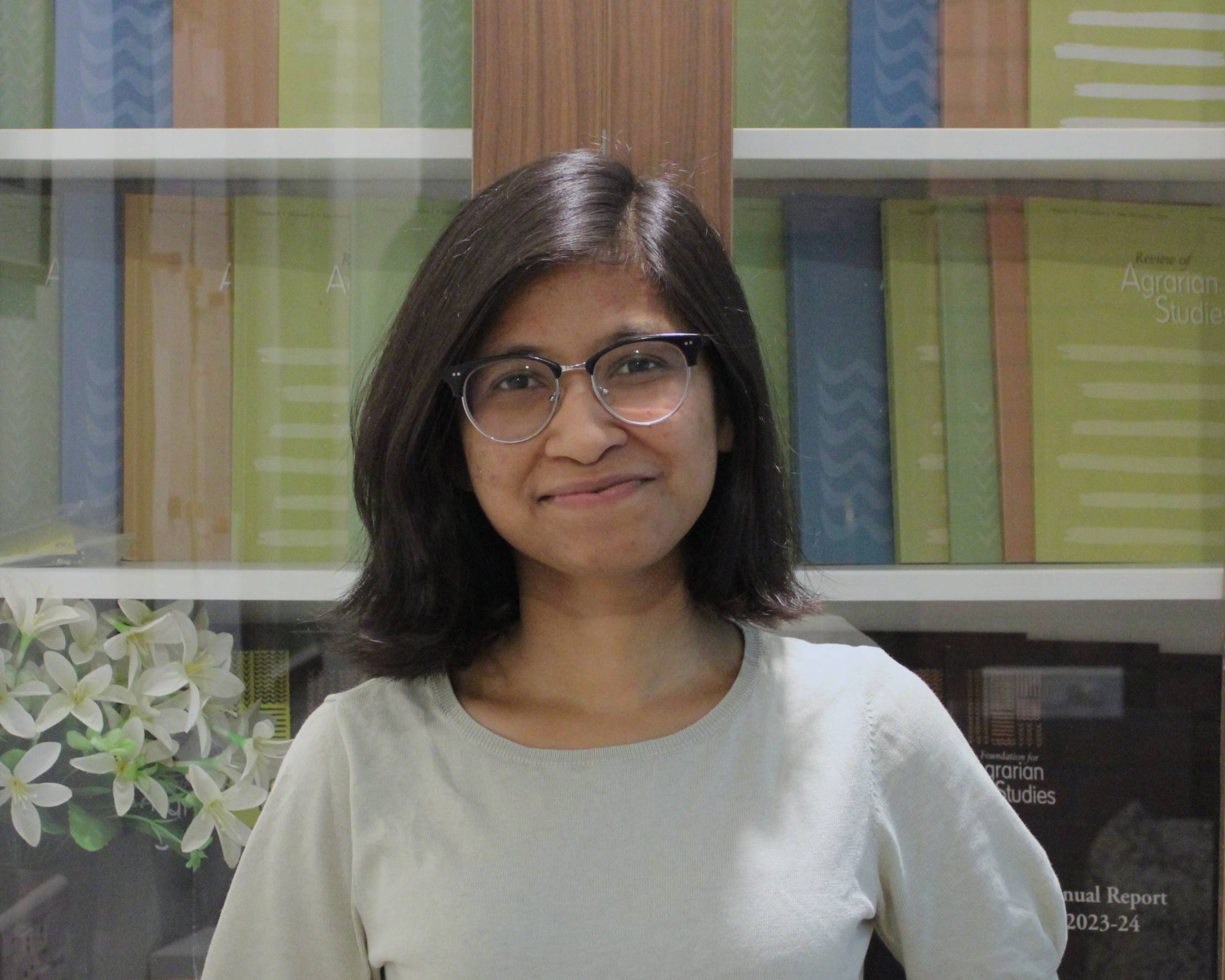
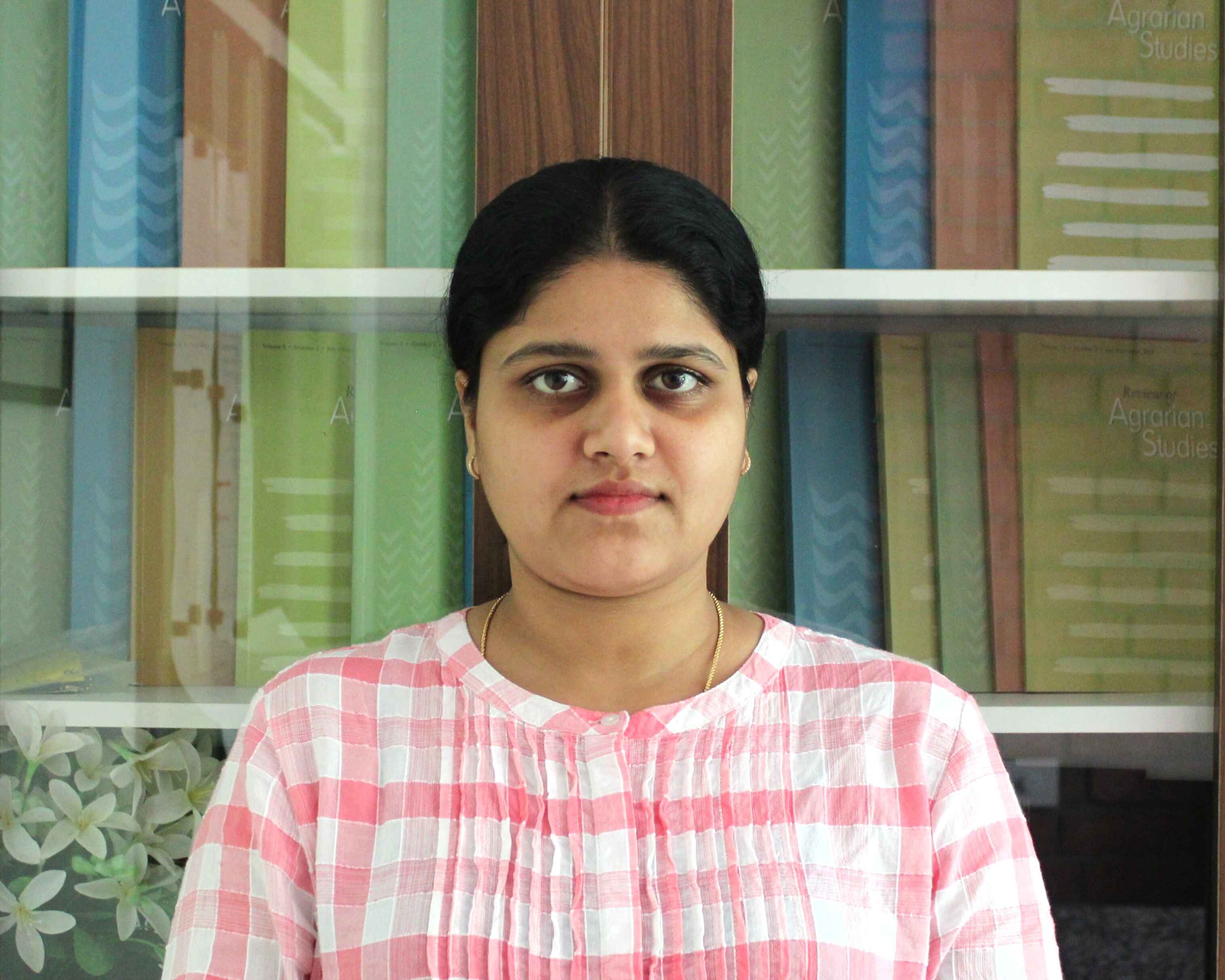
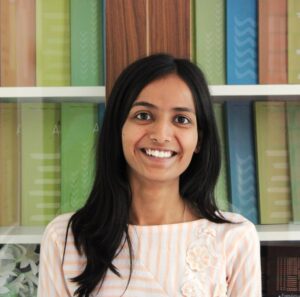
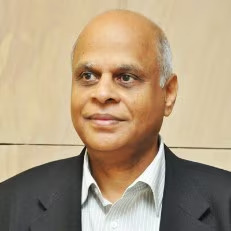
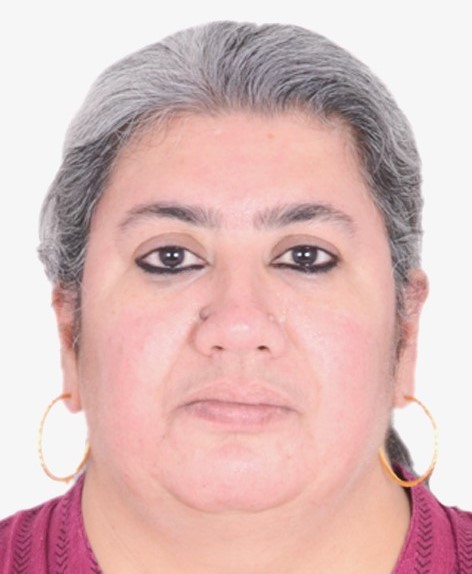
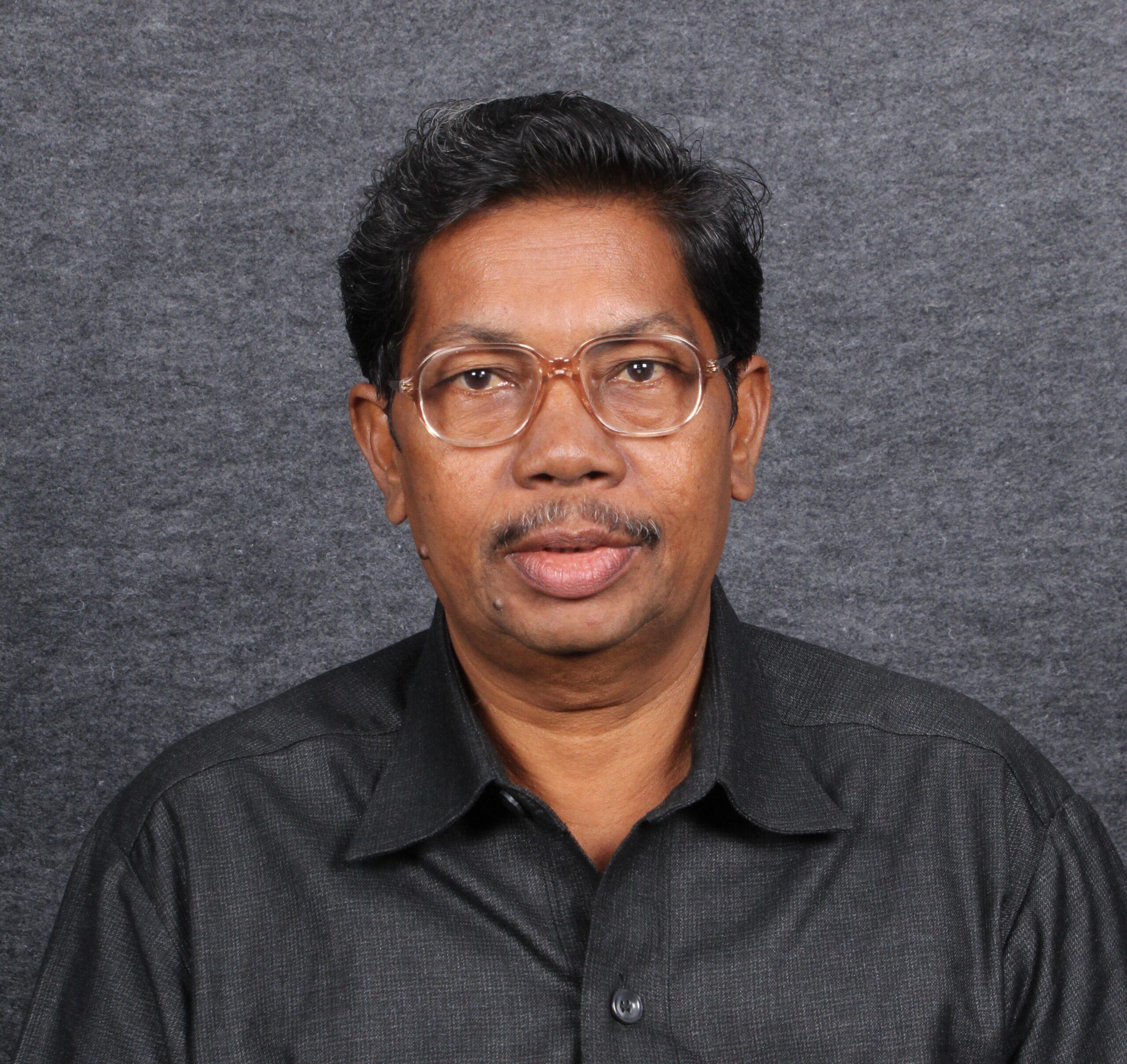
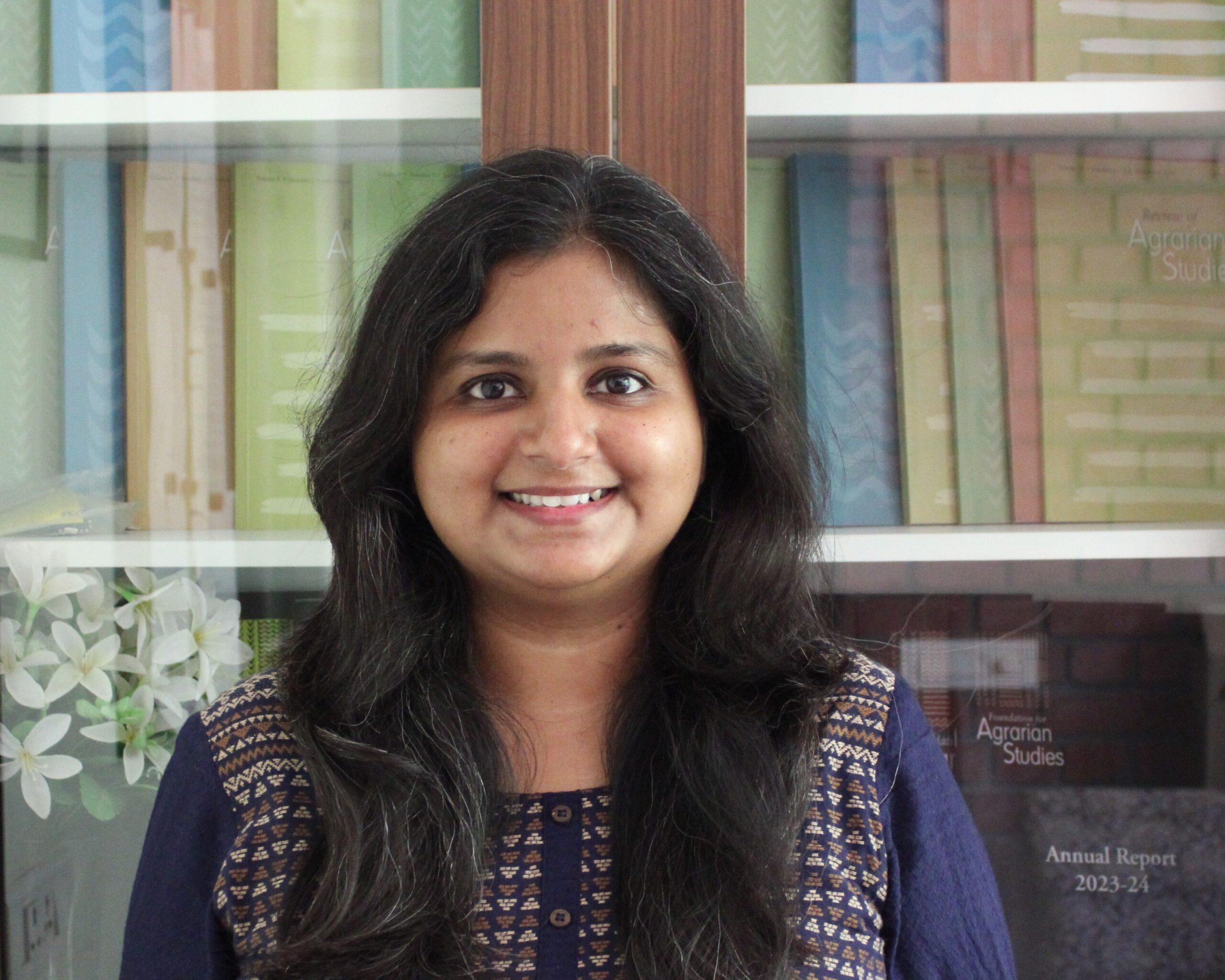
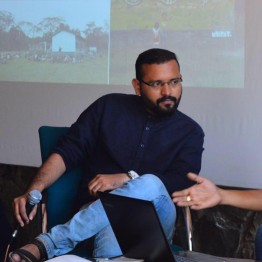
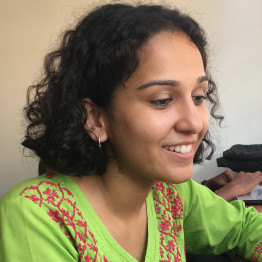
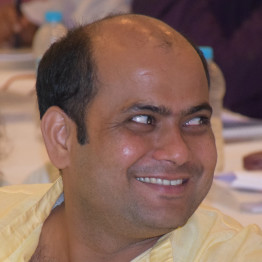
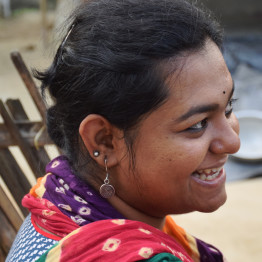
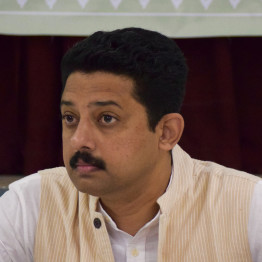
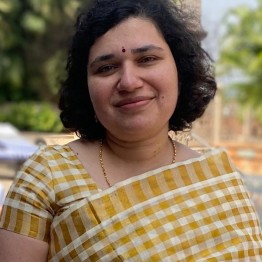
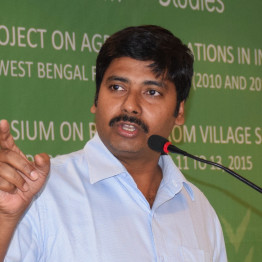
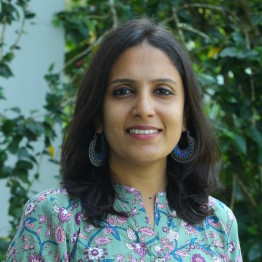
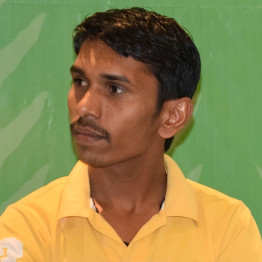
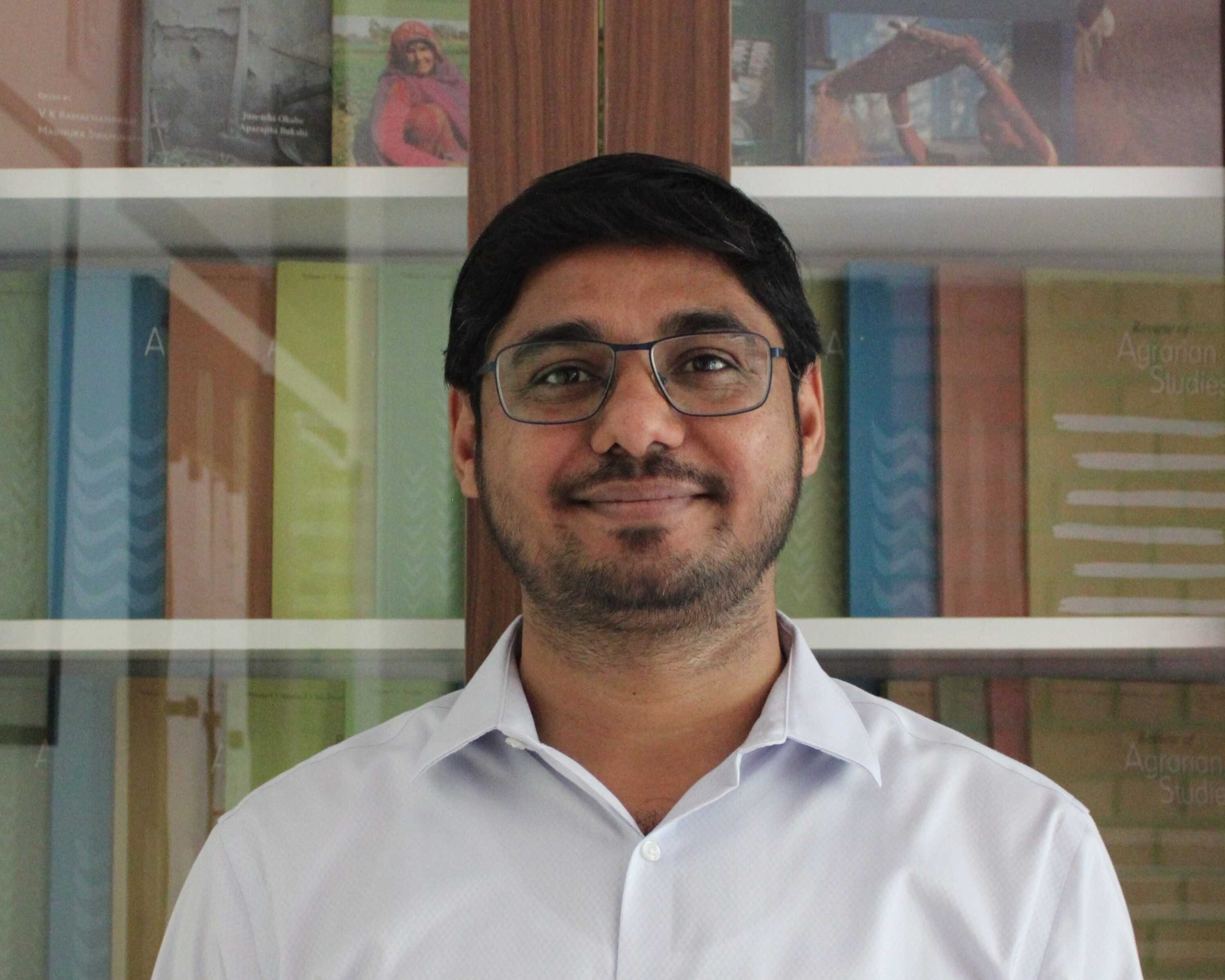
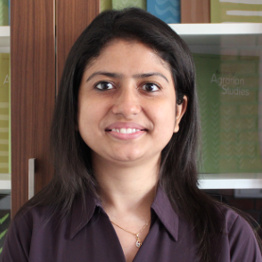
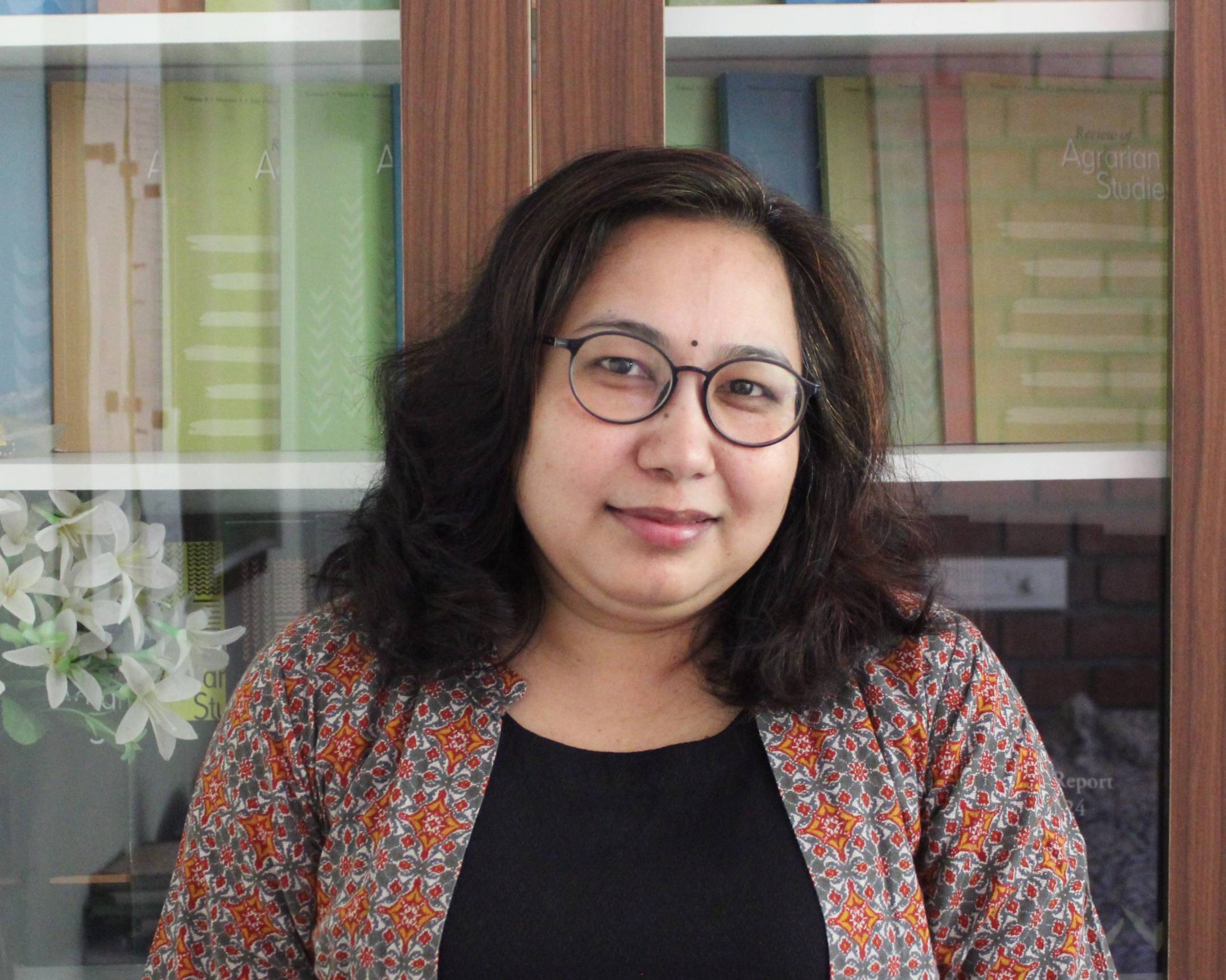
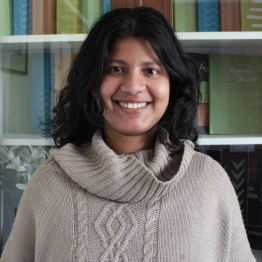
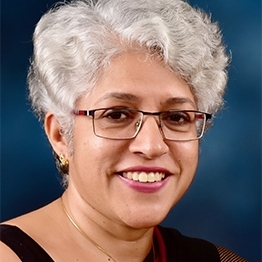
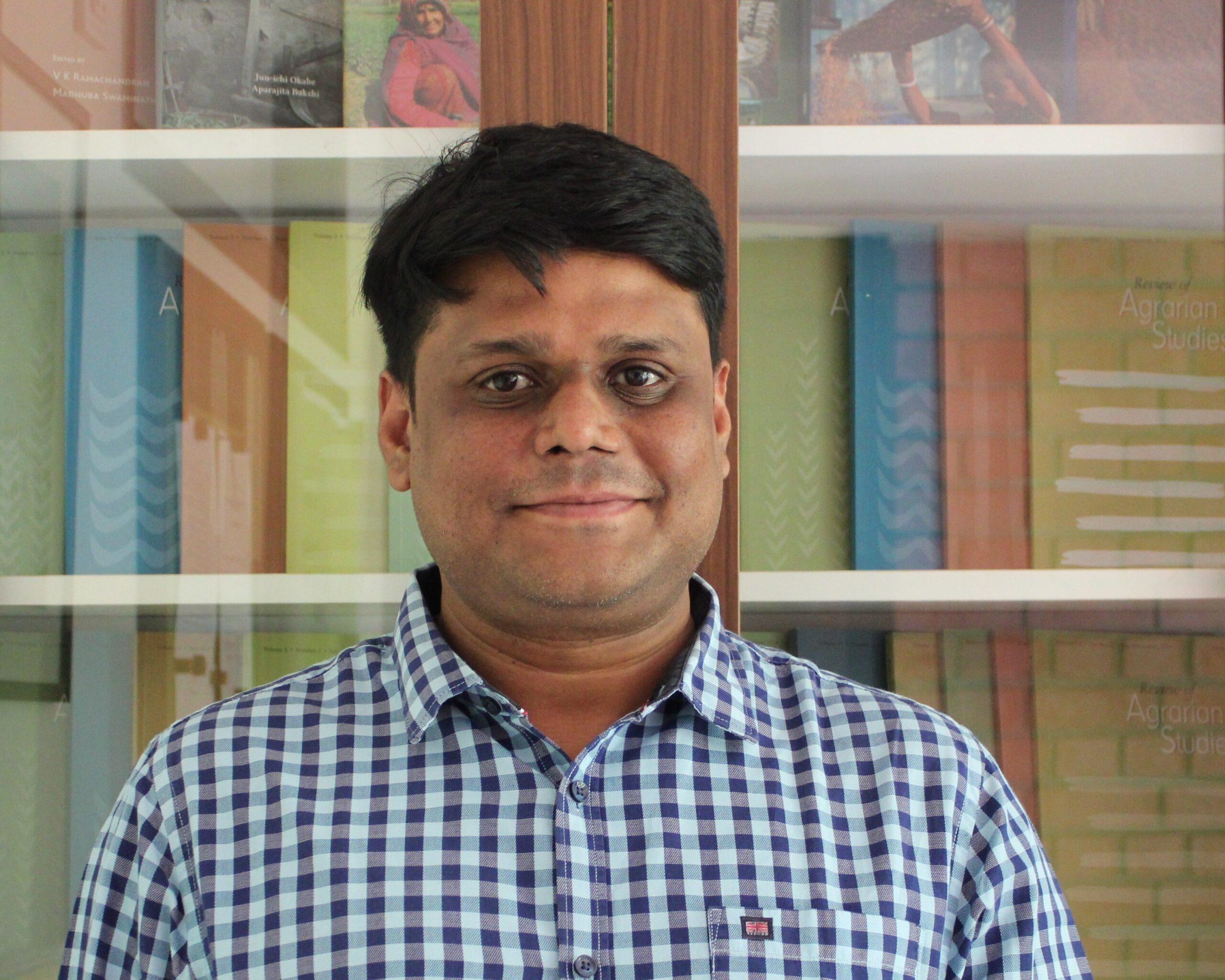
Madhura Swaminathan, Trustee, Foundation for Agrarian Studies and former Professor and Head, Economic Analysis Unit, Indian Statistical Institute, was the lead speaker of the session, which was chaired by Divya Pradeep, Associate Professor, Department of Economics, CHRIST (Deemed to be University). The event began with a brief welcome address by Sandipan Baksi, Director, FAS. He talked about FAS’s consistent engagement with the question of women’s work in rural India.
Professor Swaminathan began the talk by stating how counting women farmers and workers is the essential first step towards recognising their work, securing their rights, and ensuring remuneration commensurate with their labour. Traditional labor force surveys are “unable to capture the work done by women in rural agrarian economies accurately because women’s tasks are frequently home based, farm based, seasonal, intermittent, and intermingled with unpaid care work and domestic responsibilities.” This invisibility is compounded by the fact that many women do not report themselves as “workers,” as their responsibilities are often split between child care and other domestic chores, and agricultural tasks. However, even the current official statistics, which, according to Professor Swaminathan, grossly underestimate women’s work, show that the female workforce in agriculture has risen to approximately 117.6 million, nearly reaching the male workforce of 127.5 million for the first time in post-Independence India. The rise in female participation also stems from economic distress: “men are moving out of agriculture seeking more remunerative employment elsewhere, while women, physically constrained by the responsibilities of care work, are left with locally available, low-paid, or unpaid agricultural labour.” The growing participation of women in MGNREGA is also a reflection of this lack of mobility.
The regular field surveys conducted by FAS clearly highlight the centrality of women’s labour to crop and livestock production in the countryside. These village studies indicate that women account for 25% to 60% of the total labour deployed in cultivation across different regions. Despite this heavy reliance on women’s efforts, they do not necessarily receive “adequate days of employment” or a “reasonable return on their labour.”
The livestock sector in rural India is almost completely dependent on women, who constitute the primary workforce but receive extremely low economic returns. In a cattle-owning household, a woman typically spends about two hours a day per animal, adding up to roughly 91 8-hour working days a year. But the “implicit return on women’s labour in animal rearing is extremely low,” often falling below one-third of the daily wage rate for casual agricultural labour.
It is a “matter of grave concern”, concluded Madhura, “that women’s economic contribution is not adequately recognised,” and they remain a largely “underpaid, or, often unpaid part of the rural workforce.” The economic environment for rural women is defined by significant structural barriers and persistent wage gaps. Addressing these issues requires overcoming stumbling blocks in collection and analysis of data, which has to begin with systematically collecting gender disaggregated data on all dimensions of the rural economy.
In her summary, Divya Pradeep underlined the immense relevance of the UN’s declaration of 2026 as the “Year of the Woman Farmer,” for India, given the complex nature of the “feminisation” of agriculture in India, wherein women’s contributions to crop and livestock production are substantial but remain underreported. She discussed the methodological inadequacies in capturing women’s work. Even the Time-Use-Surveys conducted by the NSS failed to delineate the nature of activities women are engaged in for each household.
This was followed by a rich round of Q&A, which led to discussions that touched upon various facets of the structural hurdles faced by women in agriculture in India. The social impact of these hurdles is yet to be fully understood. Crucial data gaps were also identified, such as the lack of gender-disaggregated data on the cost of cultivation in official publications and missing information on women’s access to production-oriented credit like Kisan cards. Current Self-Help Group (SHG) loans are largely used for consumption. Finally, the session clarified the valuation of labour by distinguishing between monetised wages for hired workers and “implicit earnings” for family labour.
The webinar saw active participation from the attendees and was instrumental in throwing light on and advancing the important discussion on women’s work in agriculture.
The YouTube recording can be accessed on our event page.